The Righteous label’s Size Chart Explained: Avoiding Typical Fit Slip-Ups
Browsing and buying without trying anything on means you cannot try a piece on before you buy it, and this simple truth causes more returns than any other issue in online clothing sales. The Righteous brand has built a following on eye-catching designs and streetwear silhouettes, but even the sharpest design falls flat if the fit is wrong. Understanding how Righteous garments are cut, where they run generous, and where they run fitted, will save you time, money, and the hassle of a return shipment. The following breakdown breaks down the practical side of sizing so your next order arrives good to go, not bound for the return box.
Steady, predictable fit is part of why this brand has turned into such a recognizable presence in street fashion circles. Customers who understand the label’s fit approach tend to report less dissatisfaction with fit than those who assume from a single unrelated brand’s numbers. Since sizing habits differ wildly between labels, treating every transaction as its own decision, rather than assuming a blanket sizing norm, is the most sensible approach.
The Root Causes of Frequent Fit Errors
Most fit mistakes come down to one thing: shoppers transfer their size from a completely different brand to a new one without double-checking the true specs. A medium in one label can be off by two or three inches in chest width from a medium at a different company. Such a variance is enough to convert a relaxed streetwear fit into either a sloppy loose result or an overly snug squeeze across the shoulders.
One more recurring mistake is ignoring the difference between body measurements and garment measurements. Body measurements describe you; garment measurements describe the piece in question, including deliberate extra space added in for style. A hoodie built for an loose, drop-shoulder style will always measure righteous shorts larger than your true chest measurement, and that is planned that way, not a mistake in the chart.
Shrinkage after washing is a third factor people underestimate. Cotton-heavy pieces, including many Righteous hoodie styles, can give up a small percentage of their size in the first few washes if not handled properly. Reviewing the care label before the first wash and sticking to its instructions reduces this risk quite a bit. Mild, cold-water washing with a low dryer setting preserve fit far better than hot cycles.
The Right Way to Take Your Own Measurements
There are three measurements that count above all before buying any piece: bust, waist, and length preference. Run a non-rigid tape measure around the widest area of your chest, keeping it level and secure but not constricting. Do the same around your midsection, generally slightly above your navel. Jot down your desired length by measuring a hoodie or shirt you already own and love the fit of, running from the shoulder seam to the bottom hem.
Note these three numbers down before scrolling through the Righteous clothing brand’s product pages. Having this information prepared helps avoid hasty guesses on size driven by guesswork or by what ”feels right” based on memory alone. A tape measure is trustworthy, while memory is not.
It also helps to measure a garment you own already that reflects the fit you want in a new item, laid flat, and compare that flat measurement to the product’s stated specs. This flat-lay method is more reliable than trusting standard S/M/L labels, since generic sizing categories shift according to cut and time of year, especially as Righteous apparel refreshes its shapes each year.
Decoding the Righteous Size Chart
A size chart typically lists measurements in inches or cm across a side-by-side row of sizes, with chest, waist, and sometimes hip and length figures underneath. The trick is matching your own numbers to the right row, not the nearest labeled size. If you find yourself between two sizes, sizing up is usually the more dependable option for streetwear garments built for a relaxed silhouette, while opting for the smaller size serves anyone seeking a closer, more fitted shape.
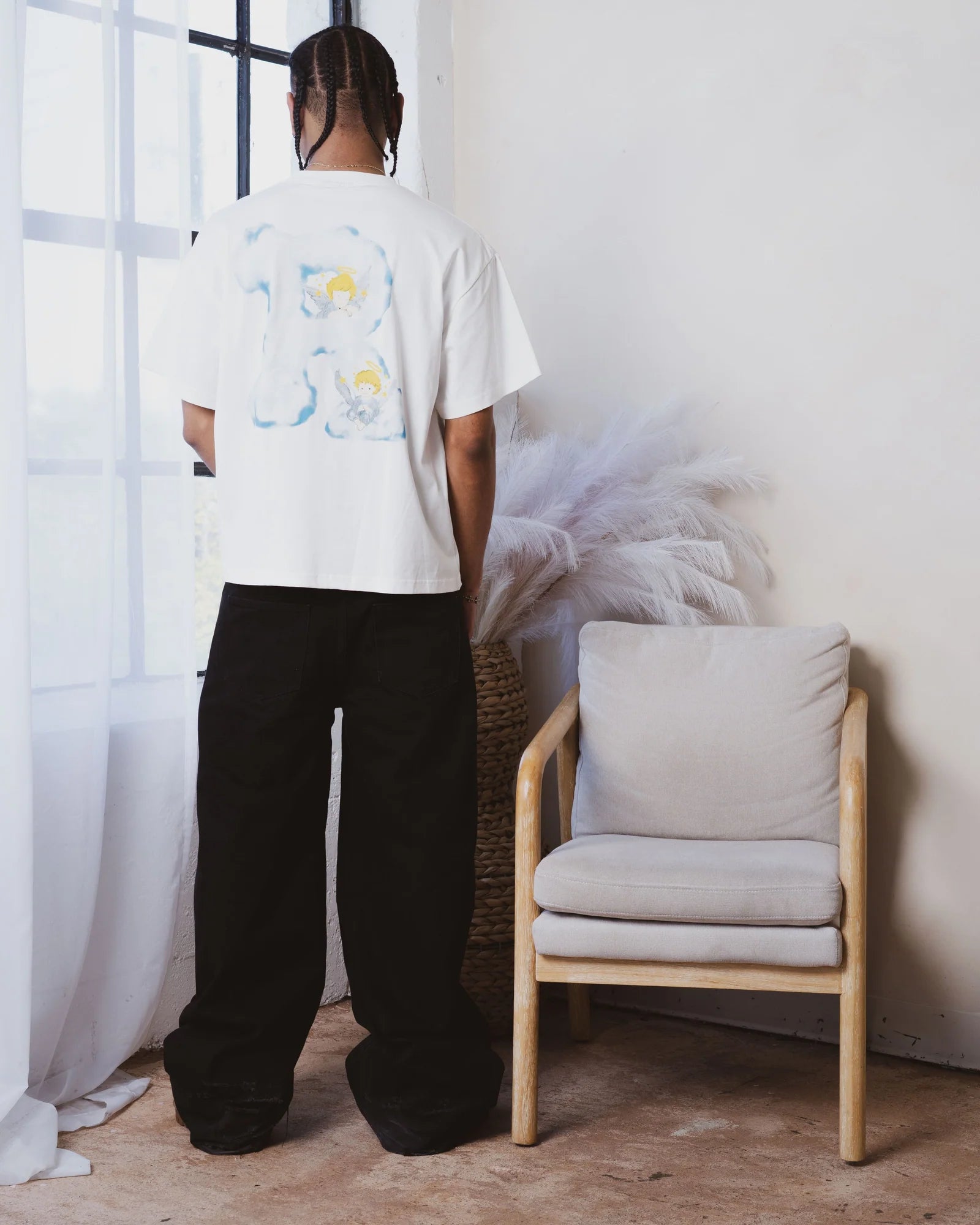
Keep a careful eye on the units used. Mixing up cm and inches is a regular but needless error that causes garments showing up the wrong size entirely. Double-check the unit label at the top of the chart no matter what, regardless of past orders from the label, since figures can be revised between collections.
Presented here is a general comparison of how a relaxed streetwear fit tends to differ from a tailored or standard cut across chest measurements, to illustrate why silhouette choice matters as much as size letter.
| Size Label | Slim Fit Chest (inches) | Relaxed-Cut Chest (inches) | Ideal Body Chest Measurement (inches) |
|---|---|---|---|
| Small | 36-38 | 40-42 | 34-36 |
| Medium | 39-41 | 43-45 | 37-39 |
| Large | 42-44 | 46-48 | 40-42 |
| XL | 45-47 | 49-51 | 43-45 |
The chart above is a rough demonstration of how silhouette reshapes the numbers tied to the same size label, not a replacement for the precise figures listed on each product page. Make it a habit to check the particular size chart included with the item you want, since a Righteous hoodie and a close-fitting tee will not have the same proportions even in the same size label.
Understanding Fit Variation Among Hoodies, Tees, and Bottoms
A Righteous hoodie is usually tailored with added space through the torso and arms to attain that iconic urban silhouette, so selecting your typical tee size in a hoodie style can result in a fit that feels surprisingly oversized. If your taste runs toward a slimmer silhouette, checking the garment’s chest measurement against your own—as opposed to assuming your typical letter size—avoids an unwelcome surprise.
Tees perform distinctly. Since they use reduced fabric, and are often worn beneath outerwear or layers, a closer fit is more typical in tee sizing charts relative to hoodie sizing guides. A person sized large in a Righteous hoodie could easily land in a medium for one of the brand’s tee styles, depending on the intended degree of oversized fit.
Bottoms add a third variable: waist compared to hip sizing, plus leg length. Bottoms from Righteous, like joggers or shorts, frequently list both waist and hip figures because a fit that’s correct at the waist can still feel tight or loose at the hip depending on your body shape. Checking both numbers, not just the waist, avoids an unpleasant surprise.
What Righteous Feedback Tells You About Sizing
Shopper reviews is one of the most useful tools available when a standard measurement table alone fails to address your specific question. More often than not, a detailed Righteous review will flag whether a piece runs true, large, or small, giving you real-world context the chart alone can’t provide. Trends seen across several reviews are sturdier as evidence than a lone opinion, since body types and personal fit preferences range widely.
As you go through a We Are Righteous review, note whether the reviewer references their typical size elsewhere and how the Righteous item measured up. A reviewer who says ”I’m usually a medium everywhere and this fit true” provides a worthwhile data point, especially if several other reviewers repeat the same experience.
It’s also important to consider physical stats like height and weight when reviewers share them, since this information add depth that a flat measurement chart isn’t able to. Two people with the same chest measurement but different heights may prefer different lengths in the same hoodie, and reviews often surface these nuances better than a static chart.
Typical Fit Pitfalls to Watch For in 2026
The most frequent mistake remains passing over the chart entirely and buying on a hunch. Even repeat shoppers of We Are Righteous ought to recheck the current charts every season, as fits may be tweaked or refined between releases. What fit true a year ago may shift slightly with updated pattern blocks.
Buyers also stumble into the trap of overlooking garment length while only reviewing width. A hoodie can have the accurate chest measurement but an unexpectedly short or long body length, which changes how it falls when paired with assorted bottoms. Checking the length measurement with a piece you already own is a five-minute step that heads off plenty of regret.
Lastly, don’t overlook the return and exchange policy before you buy, and rely on it as a safety net rather than avoiding a purchase for fear of getting it wrong. Notwithstanding careful measuring, the odd mismatches happen, and being aware you have that option eliminates needless pressure from every order.
Putting these steps into practice, measuring accurately, reading the specific chart for each item, and weighing real customer feedback, turns a possibly frustrating shot in the dark into a clear decision. Righteous’s clothing rewards this modest bit of upfront effort with garments that fit as they were meant to, season after season.